Overview
General contractor for health systems in Edmond and Oklahoma City: additions, clinics, occupied hospital renovations, infection control.
Project Details
Category
Area
- Edmond and the Oklahoma City metro
Next step
Industries We Serve
Construction for Healthcare Systems in Edmond and Oklahoma City
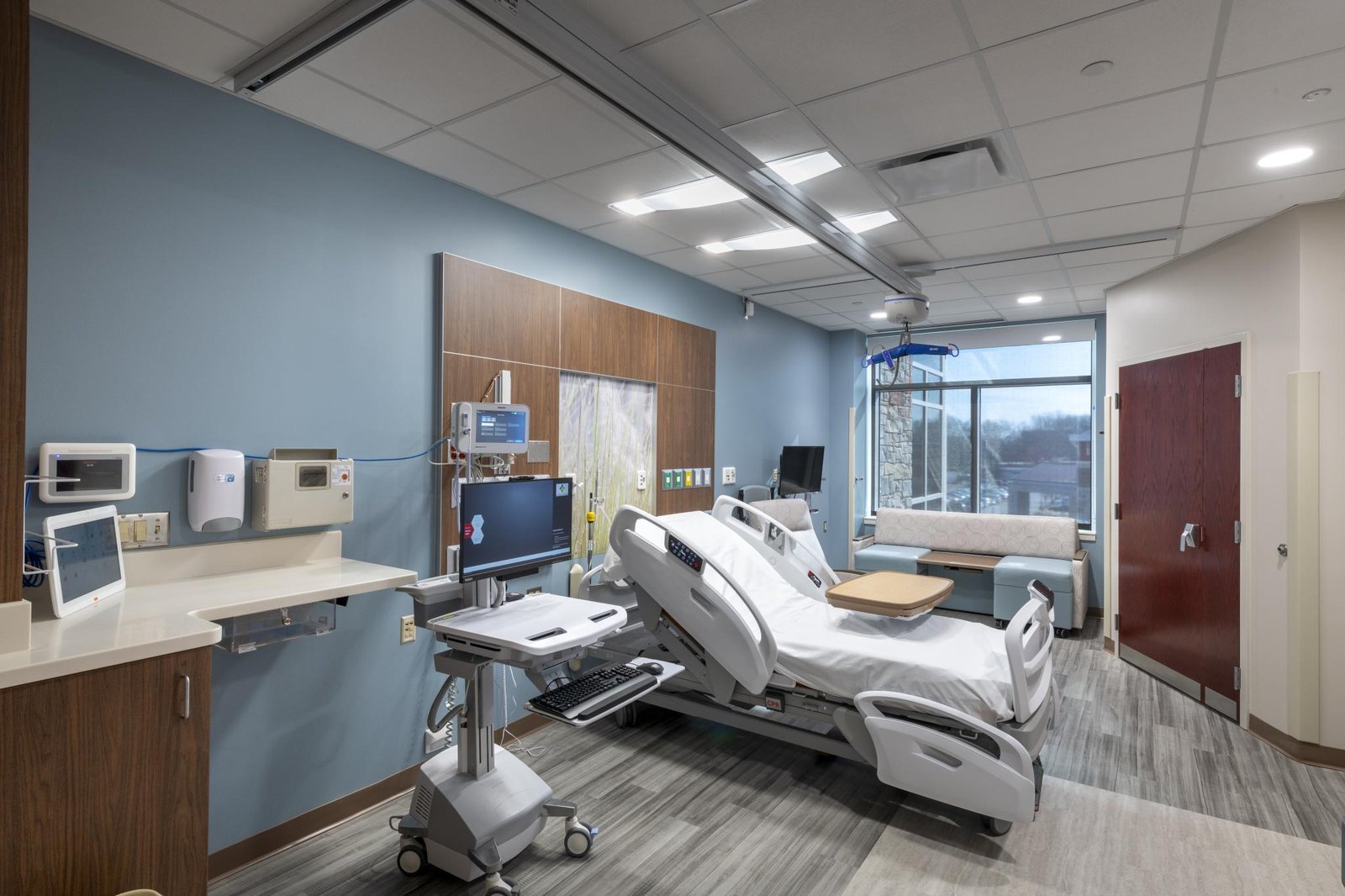
Health care capital in Edmond has been steady enough that the Greater Oklahoma City Chamber counts more than $375 million of investment from 2010 onward, spread across INTEGRIS Health Edmond, Mercy Edmond I-35, OU Medical Center and Summit Medical Center. A health system building here is competing for the same patients, the same physicians and often the same subcontractors as its neighbors, and it has to keep operating while it builds. That is the problem we are hired to solve: adding or renewing clinical space without interrupting the clinical work next door.
We build for hospital systems, outpatient networks and physician groups, with projects that include bed towers and additions, emergency departments, imaging suites, surgical renovations, medical office buildings and central plants. Our approach is to learn the facility first, including its infection-control rules, its utility shutdown procedures and its commissioning requirements, and then draw a plan the clinical staff can accept. Below, we set out what a health system should expect from us.
Infection control and patient safety on live campuses
Construction in or beside a hospital is governed by a risk assessment before it is governed by a schedule. The facilities and infection-prevention teams classify the work by dust, noise and proximity to patients, and the classification decides the barriers, negative-pressure requirements, walk-off mats and cleaning frequency we must provide. We build to that plan and keep the logs the infection-prevention team asks for, including barrier inspections and air-pressure readings. Workers receive orientation on hospital rules, from badge procedures to emergency codes.
Utility interruptions are the second risk. Medical gas, emergency power, nurse call, fire alarm and water supply all connect to the existing building, and each tie-in has its own approval. We submit a shutdown request with a written method, test plan and backup, and we do not begin until the facility signs off. Edmond's local code includes a title on power generation and storm shelters, and the city's electric utility is publicly owned, so we confirm generator and service-entrance details with the utility and the fire official early.
What we build for health systems
Scopes range from a tenant-style clinic fit-out to a multi-story addition. The Edmond I-35 corridor saw a $62 million, 143,000-square-foot hospital addition that would double a hospital's size, and in 2019 the same corridor was also due a new addiction treatment center. Those two projects show how wide the range is: one involves a structural frame, new central plant capacity and surgical suites, and the other a residential-feeling behavioral setting with safety details at every door and window. We read each program in terms of its safety and operations requirements.
For outpatient groups, our medical office construction work includes imaging, infusion, procedural rooms and the billing and waiting areas around them, usually inside a larger building that has other tenants. For larger systems, our healthcare construction team takes on additions and renovations in occupied hospitals. Both share the same discipline of documentation, testing and handover.
Codes, licensing and the reviewers involved
A hospital project passes through more than one agency. The city reviews building, fire and electrical work, and Edmond follows the 2018 International code family with the 2020 National Electrical Code and 2010 accessibility guidelines, while Oklahoma City lists the 2018 International Building Code and the 2017 National Electrical Code. The state adopted 2024 editions of several International codes, with Oklahoma amendments, effective September 14, 2026. State health regulators and the system's own accreditation requirements also matter, and we depend on the owner's architect and consultants to identify which apply.
Licensing is another point: Oklahoma's Construction Industries Board does not require a state license for general contracting, but it does require trade licenses for electrical, mechanical and plumbing work, and local jurisdictions may add rules. We verify that every trade contractor holds the right license before it steps onto a clinical campus. A health system that is also a state entity, such as a university medical center, may be subject to the Title 61 accessibility requirements for state-erected public buildings, and we build to whatever the drawings and the owner's counsel require.
Phasing around beds, procedures and shutdowns
Health system schedules revolve around beds. A renovation that takes a unit offline costs revenue every day, so we work in small, finished increments: one wing, one corridor or one set of procedure rooms at a time, each with its own punch list and handover. Decanting patients, relocating equipment and re-credentialing a space all need lead time, and we put them on the schedule alongside construction activities. Our phased construction on occupied sites practice formalizes these steps.
Long-lead equipment drives the critical path on almost every clinical project. Imaging equipment, generators, air handlers, medical gas manifolds and surgical lights often arrive months after order, and installation has to line up with shutdowns that can happen only a few times a year. We keep a procurement log and meet weekly with the system's equipment planners. At the end, we manage inspection, balancing, medical gas verification and the walk-through that precedes licensure, drawing on our commissioning and closeout experience.
Where care is concentrated and how we staff it
The Oklahoma Health Center is a 325-acre district a mile northeast of downtown Oklahoma City with about 8 million square feet of floor space, more than 12,000 employees and roughly 4,000 students, according to a public reference, and it holds teaching hospitals, a children's hospital, a cancer center, a veterans hospital and research institutes. Oklahoma City's largest employers include Integris Health at about 11,000, Mercy at 6,500 and SSM Health Care at 5,600. These systems are expanding all over the metro, and we meet their facilities staff in many places, including the Oklahoma Health Center.
We schedule and supervise the early site work, concrete and carpentry that give us control over the first months of a project, and we manage specialty trades for the rest. Teaching systems tied to universities bring their own procurement rules, so we also work with education institutions, and public hospitals often follow processes similar to government and public sector owners. Pharmaceutical and device work in the Innovation District also touches manufacturing owners.
Start with the facility
Give us your campus plan, your infection-control rules and the dates you cannot lose. We will build a phasing plan that your clinical staff can review, with shutdowns, barriers and equipment deliveries on one page.
Common Questions
How do you keep dust and noise away from patients?
We follow the facility's infection-control risk assessment, which sets the barriers, negative air and cleaning schedule for each area. We keep logs of barrier checks and air pressure, and we stop work when a reading is outside range. Noisy tasks are often scheduled for off-hours.
What do you need to schedule a utility shutdown?
A written method, a test plan, a backup plan and approval from the facility's engineering and clinical leaders. We request it weeks ahead, because shutdowns affect procedures and may require patient moves. We do not start until we have a signed approval.
Does Oklahoma require a general contractor license?
The Construction Industries Board says general contractors are not currently required to hold a state license for general contracting, but electrical, mechanical and plumbing trades must be licensed and local jurisdictions may add requirements. We verify each trade's license before work starts.
Which code edition applies to my hospital project?
It depends on the city and the permit date. Edmond follows the 2018 International codes for permits filed on or after August 14, 2023, and Oklahoma City lists the 2018 International Building Code. The state adopted 2024 editions effective September 14, 2026, so we confirm with the reviewer and with the owner's architect.
Can you build while the hospital remains open?
Yes. Most health system projects are built next to or inside operating buildings. We use barriers, separate construction entrances, dedicated elevators when available and a clear phasing plan.
Related
Related Services
Related Industries
Ready to talk about your project?
More Industries We Serve
Commercial Real Estate Developers
Builder for commercial real estate developers in Edmond and the Oklahoma City.
Property Management Firms
General contractor for property management firms in Edmond and Oklahoma City.
Multifamily Developers
Multifamily general contractor for developers in Edmond and the Oklahoma City.