Overview
General contractor for manufacturers in Edmond and the Oklahoma City metro: plant expansions, process slabs, aerospace suppliers, site selection and utilities.
Project Details
Category
Area
- Edmond and the Oklahoma City metro
Next step
Industries We Serve
Construction for Manufacturers in Edmond and Oklahoma City
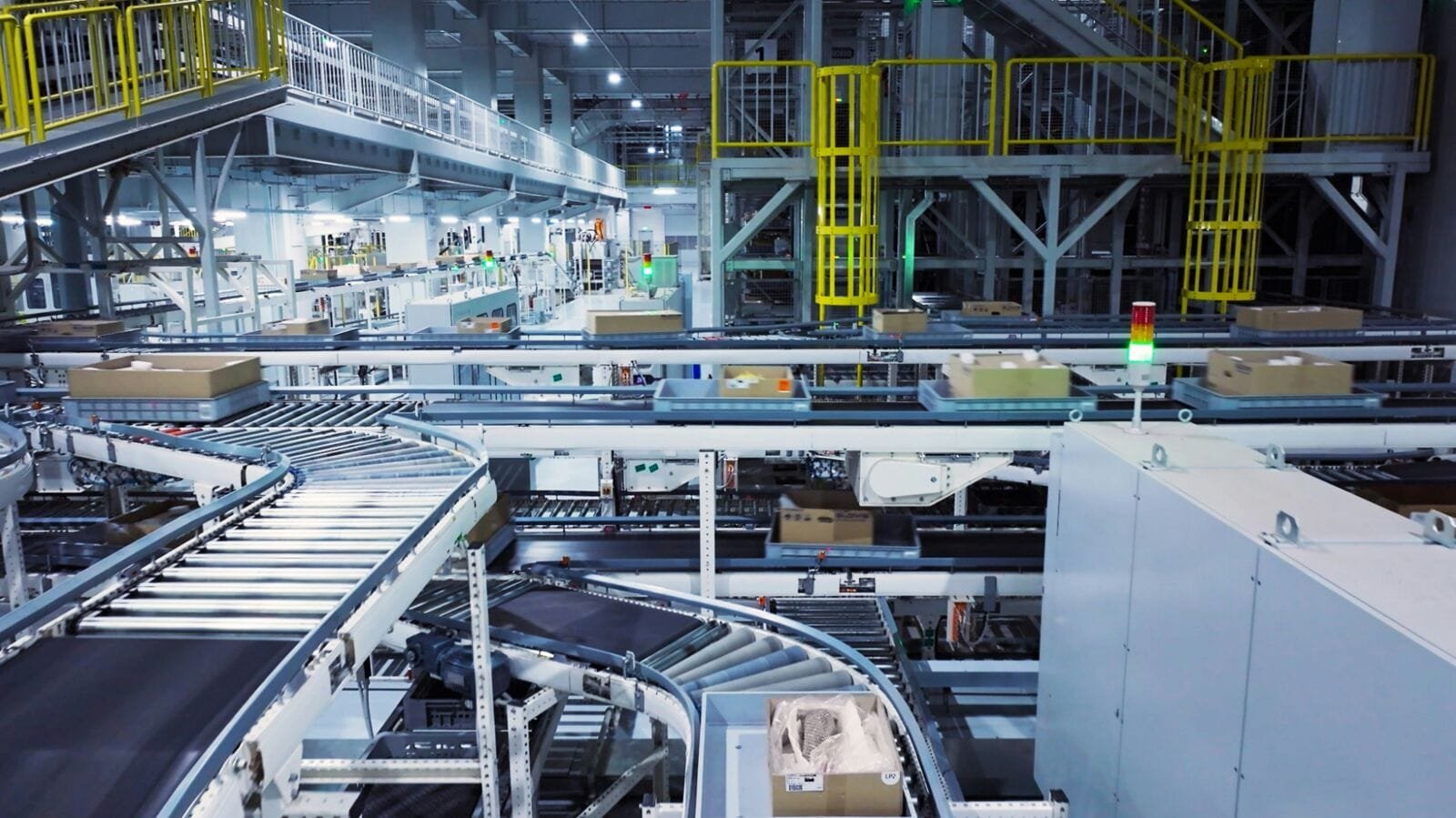
Jet engines, rooftop air-conditioning units and oilfield components are three very different products, and the metro makes all of them. An 845,000-square-foot military engines facility opened beside Tinker Air Force Base in October 2024 at a reported $255 million, Johnson Controls built a 900,000-square-foot rooftop center of excellence in Norman, and a maker of oil and gas components opened a plant in El Reno in 2022. A plant manager choosing a contractor here is comparing builders who have worked around heavy equipment, tight tolerances and production schedules that do not wait for construction.
We build manufacturing space for owners in the Edmond and Oklahoma City area who need a building that fits a process. That includes new plants, expansions on live sites, process building additions, utility upgrades, mezzanines and equipment foundations, and the offices and labs attached to them. We work with the owner's process engineers from the first drawing, because a plant is a building around a machine, and the machine decides the dimensions, the slab, the power and the schedule.
Where production is being added around the metro
Aerospace and defense sustainment is the metro's biggest industrial driver: Tinker Air Force Base has more than 26,000 military and civilian workers, nine square miles with 760 buildings and more than 15 million square feet of floor space, and is the largest single-site employer in Oklahoma. Around it, a $25 million, roughly 130,000-square-foot expansion by a supplier was announced in September 2026, and a jet engine remanufacturer committed to 24 acres in Midwest City's Soldier Creek Industrial Park with up to $50 million of expected investment. Our notes on Tinker Air Force Base explain how base access affects construction.
North of the base, Edmond's own industrial pocket sits along South Kelly Avenue, and further out Shawnee's Iron Horse Industrial Park, a 700-acre site with rail and highway access, has a 45,000-square-foot pipe plant as its first tenant. Norman's University North Park is a 30-acre site off I-35 with lots of four to 15 acres and all utilities, and it earned Site Ready certification in July 2020. The Kelly Avenue industrial area is the closest to our base and the one we know best.
The trades we manage most closely
Manufacturers care who touches the building. We schedule and supervise site work, concrete, and rough carpentry, which are the trades where schedule and quality are decided in the first months. Our trade partners place slabs and foundations to tolerances that suit the equipment: flatness for automated guided vehicles and forklifts, thickened sections under presses and machine tools, trenches for process piping and sleeves for utilities that will come later. Controlling those trades lets us coordinate with equipment vendors as drawings change.
For structure, we use tilt-up or pre-engineered metal buildings depending on height, clear span and crane needs. Roof loads for rooftop process equipment, crane rails and mezzanines are identified early so the frame does not need to be reinforced later. Specialty trades such as process piping, controls, cleanrooms and industrial electrical are bought from firms the owner knows or that we prequalify together.
Codes, occupancy and what the fire marshal asks
Plants are reviewed as industrial occupancies, but the real questions are about what is stored and made. High-piled storage, hazardous materials, dust, flammable liquids and process exhaust change sprinkler design, separation and fire-department access. Edmond follows the 2018 International codes with the 2020 National Electrical Code for permits filed on or after August 14, 2023, while Oklahoma City lists the 2018 International Building Code and the 2017 National Electrical Code, so a company with plants in both has to track both sets. The state adopted 2024 editions effective September 14, 2026, and we confirm which one governs each permit.
The Construction Industries Board does not require a state license for general contracting, but electrical, mechanical and plumbing trades are licensed. We confirm that process-piping and electrical contractors carry the right credentials and that their supervisors are on site. For plants with defense or aerospace customers, we also work within the access and documentation rules the customer sets, which may restrict phones, photographs and drawings.
Building next to a running plant
Expansions are harder than new plants because production continues. We separate construction traffic from forklift and truck routes, keep fire lanes open, protect air intakes and control dust near product. Shutdowns for tie-ins, such as power, compressed air, process water and exhaust, are planned with the plant manager weeks ahead and executed on nights or weekends when production allows. Each outage has a written method, a rollback plan and a person on site who can restart the line.
Equipment installation is its own project. Presses, ovens, conveyors and test stands arrive on the vendor's schedule, usually after the building is dried-in, and they need a floor that is ready, power that is energized and a crane path that is clear. We coordinate with riggers and vendors so they are not waiting for access. Our manufacturing facility construction team has a checklist that tracks each item from foundation to start-up.
What drives a plant budget
A plant budget is dominated by items that are not on the shell drawings. Electrical service, transformers and switchgear can take many months; process utilities and wastewater treatment can cost more than the building envelope; and the slab, if it needs to carry heavy equipment, can be among the largest line items. We price the building and site in detail and carry allowances for equipment-related work until the vendor's drawings arrive.
Site conditions matter as well. A site-ready lot with utilities at the property line costs less than raw land, and certified sites in the region exist for that reason. We examine soils, utility capacity and drainage during site selection, which may be before the owner has bought land, and we advise on site development and utilities early. Owners who also operate warehouses can ask about related work with logistics and distribution clients, and developers building spec space can work with us as commercial real estate developers.
Start with the process
Send the equipment list, the production schedule and the sites you are considering. We will return a building and site plan around the process, with slab loads, utility needs and a schedule for work beside a running plant.
Common Questions
Can you expand a plant without stopping production?
Usually yes, with planning. We separate construction from operations, schedule tie-ins for planned outages and keep a written method and rollback for each one. Some work, such as a major power switchover, may need a short shutdown, and we plan it with you.
How do you handle equipment that arrives before the building is ready?
We coordinate delivery dates with the vendor and build a phased turnover that lets the equipment arrive at a protected, dry area. If the equipment is early, we can provide temporary protection, but we prefer to fix the date so it matches the building.
Do you build for aerospace and defense suppliers?
Yes. We follow the customer's rules on site access, photographs, drawings and personnel. The work near Tinker Air Force Base follows base and customer procedures as well as the usual city requirements.
How early should we involve a contractor in site selection?
Before closing on land, if possible. Soils, utility capacity, drainage and zoning can change the cost of a plant by amounts larger than the price difference between two parcels. We can review parcels for you and give comparison ranges.
What slab do we need for heavy equipment?
It depends on the equipment, which is why we ask the vendor for loads, anchor bolt layouts and tolerances early. The slab may need thickened sections, reinforcement changes or isolation joints, and we price those before the pour.
Related
Related Services
Related Industries
Related Service Areas
Ready to talk about your project?
More Industries We Serve
Commercial Real Estate Developers
Builder for commercial real estate developers in Edmond and the Oklahoma City.
Property Management Firms
General contractor for property management firms in Edmond and Oklahoma City.
Multifamily Developers
Multifamily general contractor for developers in Edmond and the Oklahoma City.