
Overview
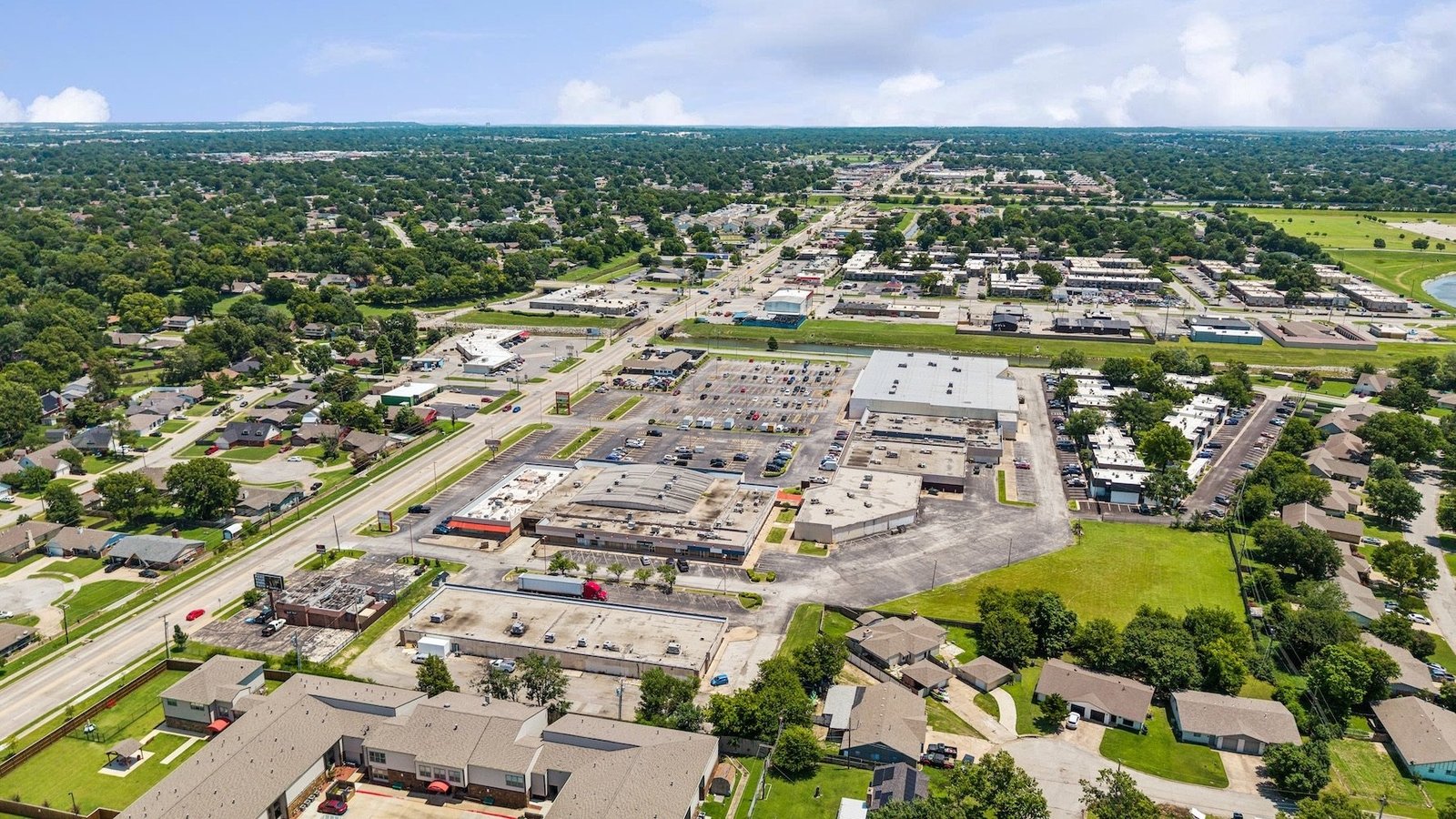
Shopping center renovation, roof and parking renewal and restaurant or medical tenant finish in The Village, phased so stores stay open.
Project Details
Category
Area
- Edmond and the Oklahoma City metro
Next step
Service Areas
General Contractor in The Village, Oklahoma
Shopping centers built for an earlier generation of tenants need a contractor who can reposition them without closing the doors, and that is the kind of retail work we take on in The Village. Owners here are usually dealing with a mature property: a center with good bones, aging roofs and parking, tenants whose needs have changed and a landlord who wants to keep rent rolling while the work is done. We plan renovations in phases, protect customer access and keep construction out of the way of the stores that remain open.
The retail history of the area is a useful guide. The Oklahoma Historical Society says Casady Square, a large shopping center, was built at Penn Avenue and Britton Road in The Village, and that May Avenue grew into a retail district by the mid-1980s. Centers from that era were designed around different tenants, different parking ratios and different signage rules than owners want today. We start by walking the property with the owner and listing what has aged, what has become inefficient and what could earn more rent if it were rebuilt.
A small enclave with a dense commercial edge
The Oklahoma Historical Society reports that The Village's housing development began in 1949 when Clarence E. Duffner platted The Village Addition, that the Town of The Village incorporated in January 1950, and that the city has held at about 2.5 square miles since Oklahoma City blocked expansion by 1960. Wikipedia describes it as a city almost enclaved by Oklahoma City that borders Nichols Hills, with 9,538 residents at the 2020 census and an elevation of 1,191 feet.
What this means for an owner is simple: the land is limited, so growth happens by redevelopment. A parcel that held a single-story store may be redeveloped as a drive-through restaurant, a medical suite or a mixed tenant strip, and each change triggers its own review. We help owners evaluate those options with early cost ranges, so the decision is based on what the site can carry and not on what the last tenant paid. Redevelopment on a small site also depends on neighbors: a drive-through lane, a trash enclosure or a rooftop unit can create a complaint that stalls an approval, so we study sight lines, noise and delivery times early and shape the plan to avoid them. Because the surrounding streets belong to a larger city, we also confirm which office controls each curb cut and each utility connection before a drawing set is sent out for pricing.
Facade, roof, parking and storefront renewal
Renewal work usually follows a familiar order. We start with the roof, because water damage drives every other cost. Then we address parking surfaces, accessibility routes and site lighting, which affect safety and liability. Finally we update the facade and storefronts, because tenants and customers judge a center by what they see from the street.
Each step has hidden conditions. Roofs conceal wet insulation, parking lots hide failed base material and older facades hide deteriorated framing. Our retail shopping center construction team probes these items before pricing, and the trade partners for parking lot construction can phase paving by section so customers can still reach the stores. The result is a center that looks current without a long shutdown. The Construction Industries Board requires trade licenses for electrical, mechanical and plumbing work and a separate roofing contractor registration, so on a renewal package we verify each license and registration up front, and we ask roofing subcontractors for manufacturer inspection and warranty paperwork before the first panel is set.
Keeping stores open during construction
Retail tenants live on foot traffic, and a construction schedule that ignores that fact can cost them real sales. We schedule noisy and disruptive work for early mornings, nights or off-peak days, and we protect storefront entries with covered walkways and clear signage. Deliveries to tenants continue by agreed routes, and we coordinate with property managers on any utility interruption.
Seasonal timing matters too. Holiday weeks and major shopping periods are blackout dates for heavy work, and storm season can interrupt roofing and exterior finishing. We build a schedule with those constraints visible, sequence the work by building or by tenant bay and keep a short list of backup tasks that can proceed when weather interferes. Owners can then communicate dates to tenants with confidence, and property managers can post notices a week ahead instead of a day ahead, which tenants appreciate.
Tenants that turn an old center into a destination
Restaurants, medical and dental offices, fitness studios, salons and service retail are the tenants most likely to make a mature center work again. Each needs something different from the building. Restaurants need grease interceptors, hood exhaust and utility capacity. Medical tenants need plumbing and accessible entries. Fitness uses need ceiling height, sound control and ventilation.
We build for those users through restaurant construction and tenant improvements, and we advise owners on which infrastructure to prepare before a tenant signs. A landlord who has already upgraded electrical service or added a grease line can lease a space in days, while one who has not may lose a prospect to the center across the street.
Where renewal dollars deliver the most return
Not every dollar in a renovation produces rent. Roofs, structure and life-safety systems protect the asset, while facades, signage and landscaping improve its appeal. We help owners rank the work by consequence and by return, and we divide the budget into must-do, should-do and could-do tiers. That framework makes a lender or a partner conversation easier because the logic is visible.
Cost control also depends on documentation. We provide line-item estimates, track allowances and report changes in writing. If your portfolio includes several centers, our work with retail chains and property managers shows how we standardize packages for several locations. And if the center borders Nichols Hills, our Nichols Hills page describes the neighboring city's pace and expectations.
Renew a Village shopping center
Share the property, the tenants and the work you have in mind. We will walk it with you, rank the work by return and propose a phased plan.
Common Questions
Can you renovate a shopping center while tenants stay open?
Yes. We phase work by bay or building, schedule noisy tasks for off-peak hours, protect entries and keep deliveries moving. We also coordinate utility interruptions with the property manager so tenants know what to expect.
Why is redevelopment the main growth path in The Village?
According to the Oklahoma Historical Society, the city has held at about 2.5 square miles since Oklahoma City blocked expansion by 1960. With limited land, growth comes from reusing sites rather than annexing new ones. We evaluate each parcel for its best redevelopment use.
Should I fix the roof or the facade first?
Fix the roof first. Water damage spreads and makes every later investment less valuable. Once the envelope is sound, parking, lighting and storefront improvements deliver more return.
What do restaurants need from a retail space?
Utility capacity, a grease interceptor, hood exhaust routes, adequate restrooms and sometimes a drive-through lane. We help owners prepare spaces ahead of tenants so leasing is faster.
How do you handle a multi-location retail rollout?
We standardize details, procurement and schedules across sites, then adapt to each location's local approvals. A single project manager coordinates the package, and weekly reports track progress at each site.